Following is generic AI text.
Nearly every pocket in the modern world carries a 48-megapixel camera. Between smartphone computational photography, instant filters, and burst modes, billions of high-resolution images are created every single day.
If pressing a button and capturing a clean image is all it takes, what makes someone a photographer?
The short answer: a camera records light, but a photographer curates meaning.
Being a photographer isn’t defined by the gear slung around someone’s neck. It’s defined by how they perceive the world, shape light, and translate a fleeting fraction of a second into a lasting story.
1. Translating Light, Not Just Catching It
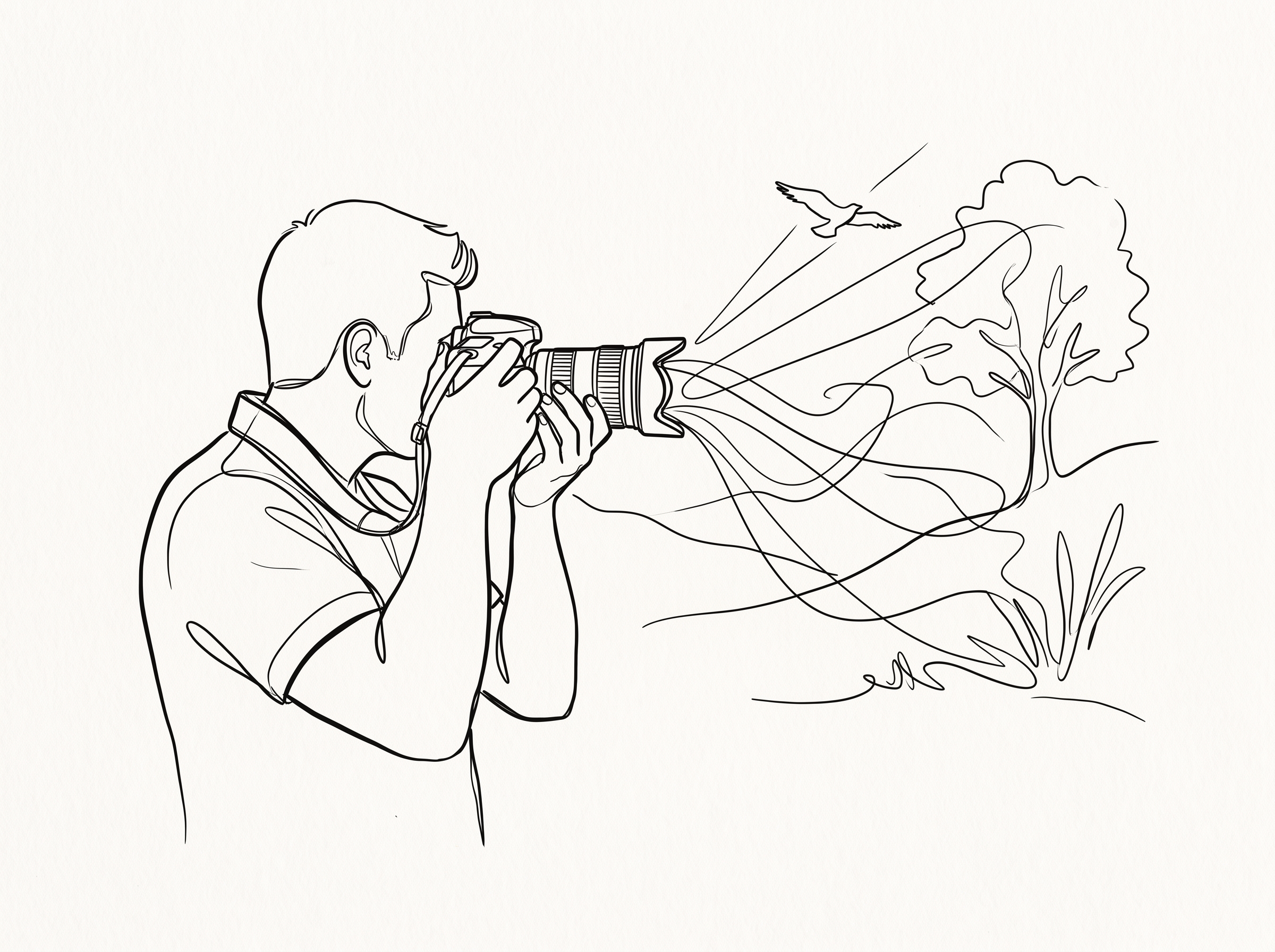
The word photography comes from the Greek roots phos (light) and graphē (drawing). Literally translated, a photographer is someone who draws with light.
Where an untrained eye sees a sunny afternoon, a photographer sees harsh, directional shadows that need diffusing. Where someone sees a dim room, a photographer spots the delicate falloff of window light across a face.
Whether using expensive studio strobes or chasing the last five minutes of golden hour, photographers understand how light shapes texture, reveals emotion, and creates depth on a flat two-dimensional plane.
2. The Art of Intentional Composition
Point-and-shoot snapshots show what was in front of the lens. Intentional photography communicates how it felt to be there.
A photographer doesn’t simply fit objects into a frame; they make deliberate decisions about:
- Perspective: Choosing whether to shoot from eye level, crouch low to lend stature, or step back to emphasize vulnerability.
- Exclusion: Often, what you leave out of the frame matters far more than what you leave in. Eliminating clutter creates clarity.
- Depth and Focus: Directing the viewer’s eye through shallow depth of field, leading lines, or geometric patterns.
Every edge of the frame is an active choice.
3. Preserving Fleeting Human Truths
Henri Cartier-Bresson famously coined the concept of the “decisive moment”—the simultaneous recognition of the significance of an event alongside the precise visual organization of forms that gives that event its proper expression.
Photographers are patient observers of human behavior. In documentary, street, and wedding photography, the technical execution is secondary to anticipation. It’s knowing someone is about to burst into laughter two seconds before they do, or catching the subtle, unspoken tension in a glance across a crowded room.
4. Technical Craft Meets Creative Vision
While great gear doesn’t guarantee great images, technical mastery remains the foundation of creative freedom. A photographer understands the delicate balance of the exposure triangle:
- Aperture: Balancing light transmission against depth of field.
- Shutter Speed: Freezing an athlete mid-air or deliberately blurring water into motion.
- ISO: Managing sensor sensitivity and image grain.
When technical control becomes second nature, the camera stops being a complicated machine and becomes a transparent extension of the eye.
5. The Invisible Half: The Digital Darkroom
A raw photograph straight out of a camera is rarely the finished work. Just as masters like Ansel Adams spent days dodging and burning prints in the chemical darkroom, modern photographers refine their vision in post-production.
Editing isn’t about slapping on a trendy preset or removing every natural imperfection. It is color grading to evoke mood, balancing luminance to draw the eye toward the subject, and maintaining visual consistency across an entire body of work.
The Verdict
Owning an oven doesn’t make you a chef, and owning a camera doesn’t automatically make you a photographer.
A photographer is an observer, an archivist, and a visual translator. They slow down in a world that moves too fast, look where others glance past, and find the extraordinary hiding inside the ordinary. Ultimately, a camera is just an instrument—the photographer is the one making the music.